
Best Treatment Options for a Slipped Disc
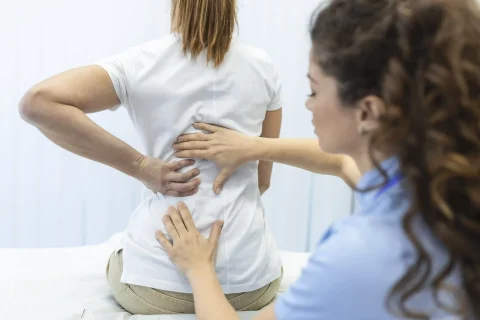
A slipped disk, usually called a bulging disk or herniated disk, is a prevalent spinal disorder that sometimes even leads to people having to stop doing their daily life activities due to constant pain and the inability to move. The condition can be caused by the soft central part of a spinal disc protruding and irritating nearby nerves. And pressure can cause symptoms such as back pain, stiff joints, tingling, or even weakness in the arms or legs.
On the plus side, many patients do not need to undergo surgery. If one gets proper treatment for a slipped disk, it’s effortless to reach a state of no pain.
Understanding the Condition First
A slipped disk, despite its name, does not actually "slip." The disc, on the contrary, bulges or even ruptures, which are results of the wear and tear, bad posture, sudden injury, or repetitive strain. That is the reason why symptoms usually become more severe during sitting, bending, or lifting. Early identification of the cause facilitates the selection of the most effective treatment path.
1. Home Remedies for Early Relief
For mild to moderate symptoms, home-based care is often the first step.
Rest, But Stay Gentle, Active
Short-term rests can help reduce inflammation, especially during flare-ups. On the contrary, prolonged bed rest can lead to muscle atrophy and delayed healing. Walking short distances, for example, is a light activity that results in better blood circulation and, hence, faster recovery.
Cold and Heat Therapy
Using ice packs over the first few days helps reduce swelling and, at the same time, numb sharp pain. After inflammation has subsided, heat relaxes muscle tension and improves blood circulation, therebydecreasing stiffness.
Stretching and Movement
Mild stretching and low-impact activities like walking or swimming help maintain spinal flexibility. Sudden twists or high-impact movements should be avoided, as they may irritate the bulging disk.
Posture and Ergonomics
Little changes, like using adequate back support while sitting and avoiding bending or lifting in particular ways, can reduce stress on your back and prevent discomfort from worsening.
These uncomplicated methods are the basis for good back home care and often bring about a noticeable improvement within a few weeks.
2. Medical Pain Management and Therapy
If your pain persists or negatively impacts your daily activities, seeking professional care is the next step. In the case of someone using a search engine and typing in “pain management near me” or “pain specialists near me,” that person would be connected to professionals whose treatment methods focus on long-term relief rather than temporary fixes.
Medications
As a measure, the doctors may recommend medications that reduce inflammation to reduce swelling and pain. Muscle relaxants or drugs that target the nerves may also be prescribed if there is nerve pain or muscle spasms.
Physical Therapy
Physical therapy is one of the most successful non-surgical treatments and concentrates on core muscle strength, stable posture, and flexibility. A personalized program is set up that not only helps the affected disc but also reduces the risk of recurrence.
Targeted Injections
In cases of severe pain, injections into the area may be prescribed to reduce inflammation. These treatments can significantly alleviate pain, allowing patients to benefit more from rehabilitation exercises and participate in activities more effectively.
3. Advanced and Minimally Invasive Options
Advanced options may be considered when conservative treatments prove insufficient.
Minimally Invasive Pain Procedures
Some methods primarily target interrupting pain signals or reducing nerve irritation and do not require major surgery. These options have very short recovery periods and are specifically designed for patients who experience continuous pain.
Surgical Intervention
Surgery is done in cases of extreme pain, loss of strength that is getting worse, or loss of capability only. The procedures aim to remove the nerve causing pain or to relieve pressure on it. Many people do not consider surgery until they have tried all other treatments.
4. Long-Term Lifestyle and Supportive Care
Slipped disk treatment includes pain relief and a plan to prevent recurrence.
- Keeping body weight within healthy limits lessens the pressure on the spinal column.
- Working on the core musculature helps to keep the spine steady.
- Participation in low-impact sports increases one's power of resistance to tiring activities.
- Properly handling stress and getting enough sleep helps the healing process.
Some people receive comfort from other methods like massages, movement therapy, or mindfulness-based pain management besides conventional medical care.
Final Thoughts
A slipped disk might be very painful; however, it doesn’t mean that it will take over your life. If you quickly get the proper home care, professional therapy, and expert advice from a nearby pain specialist, you will most likely recover without surgery. The main things are treating your body right, seeking treatment early, and choosing a treatment plan that provides both immediate relief and lasting spinal health.