Knee Osteoarthritis Treatment: Pain Relief Without Surgery
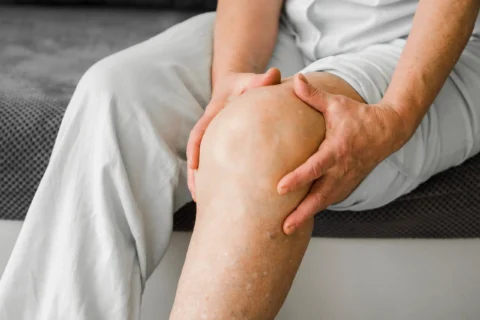
Knee arthritis is a common condition affecting millions of people each year, making everyday tasks like walking, climbing up and down stairs, or standing for extended periods challenging. Osteoarthritis can be an all too familiar issue, especially if you find that you often have knee joint pain, stiffness, or swelling. Fortunately, many people can live symptom-free lives without undergoing surgery with appropriate Knee Osteoarthritis Treatment methods.
These considerations can enable them to get about and become comfortable without resorting to drugs and surgery, which might have side effects.
What Is Knee Osteoarthritis?
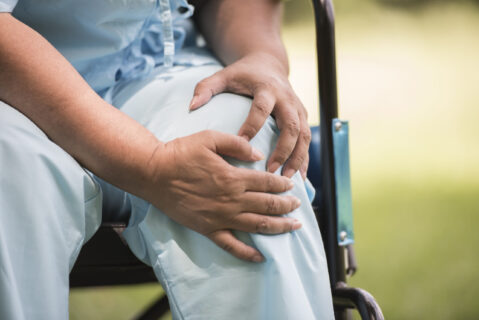
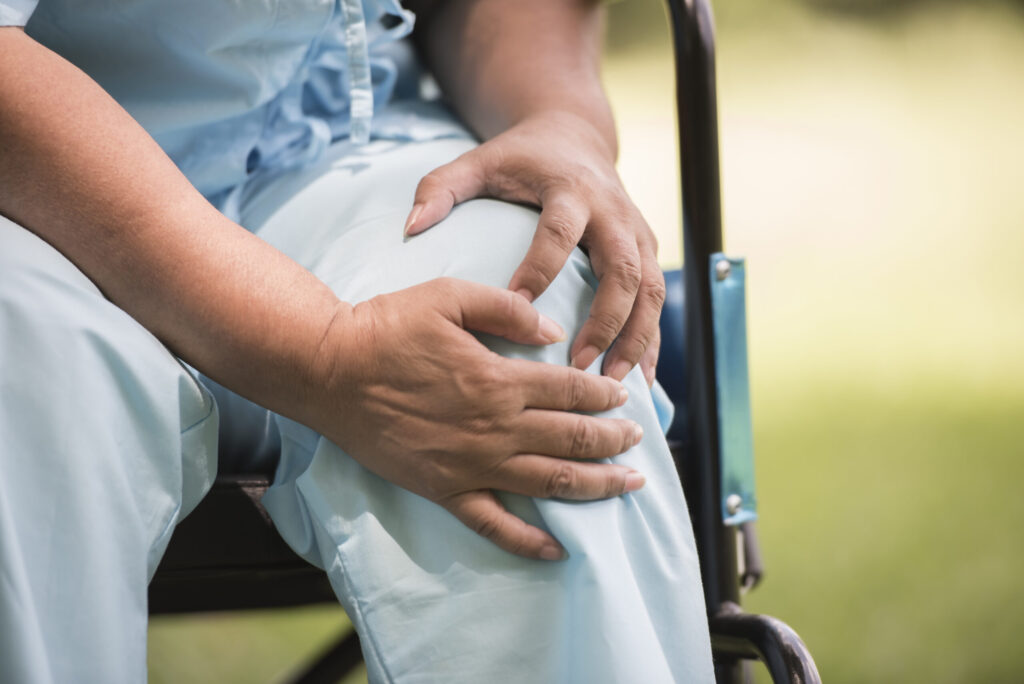
Osteoarthritis in the knee is the loss of cartilage in your knee that happens over time. Cartilage between bones acts as a cushion and protects bones from rubbing together when damaged. This results in pain, swelling, and stiffness.
Common Symptoms Include:
- A joint that hurts after using it. A painful sore knee joint following activity.
- A swelling around the knee.
- Pain that occurs when trying to bend or straighten the leg.
- Popping and grinding noises in the knee.
- Difficulty walking or climbing stairs.
May be progressive and progress with age if untreated.
Why Non-Surgical Treatments Are Important
However, many people think that surgery is the only option to treat arthritis, and this is not the case all the time. Many of the treatments for knee pain do not involve surgery. Some treatments can help decrease pain, increase flexibility, and promote joint health.
These treatments can benefit the following people in particular:
- Low to moderate levels of arthritis.
- Patients who prefer not to have surgery.
- Worried about the health of older people.
- Those seeking natural options for pain relief and management.
Early treatment may also help to slow the progression of arthritis.

Physical Therapy and Exercise
The best treatment for knee osteoarthritis is physical therapy. Improving muscle tone in the area around the knee lowers pressure on the knee.
Remind them of helpful exercises like:
- Gentle stretching
- Leg strengthening workouts
- Walking or cycling
- Water-based exercises
Movement every day can improve flexibility and joint mobility. A low-impact workout helps people with knee arthritis.
Weight Management Helps Reduce Pressure
The extra weight of the body is adding stress to the knees. Restoring normal weight can make the joints easier on the body and promote everyday comfort, regardless of how much weight was lost.
For those who have a painful knee joint, keeping a healthy weight will help:
- Reduce inflammation
- Improve mobility
- Lower pain levels
- Slow joint damage
Often, a healthy diet along with regular exercise yields optimal results.
Medications for Pain Relief
Medications can be part of a thorough knee pain treatment plan as recommended by doctors.
Common Options Include:
- Anti-inflammatory medicines
- Pain relievers
- Topical application creams & gels
These treatments can help to relieve discomfort, which is particularly important during flare-ups. However, always use medication with care and under medical supervision.
Injection-Based Treatments
Injections can sometimes help reduce pain and inflammation for some patients.
Popular Options Include:
- Corticosteroid injections
- Hyaluronic acid injections
- Regenerative medicine therapies
Studies based on treatment guidelines have shown that injection therapies can be effective at improving mobility and offering short-term pain relief for certain people who have knee arthritis.
Heat and Cold Therapy
There are also simple treatments you can do at home that can make a big difference. Heat therapy alleviates stress and expands blood flow, and cold therapy decreases swelling and inflammation.
Heat Therapy Helps:
- Relax stiff joints
- Improve circulation
- Reduce muscle tightness
Cold Therapy Helps:
- Decrease swelling
- Numb pain temporarily
- Decrease swelling after exercising
Alternate heat and cold for additional comfort to a suffering sore knee joint.
Lifestyle Changes for Better Joint Health
Everyday lifestyle habits can be a significant factor in managing arthritis symptoms. In the long term, small changes will help keep the knees protected and the pain at bay.
Tips That Help with Lifestyle Are:
- Don't sit for extended periods of time
- Wear supportive footwear
- Knee braces are to be used if recommended.
- Be physically active, but do not overwork the joint
The habits contribute to your joints' long-term health and lifestyle.
Don't Let Knee Arthritis Slow You Down
Take the next step toward better mobility and comfort with a personalized treatment approach for your knee osteoarthritis.
Request Your Free Consultation
Professional Care and Treatment Support
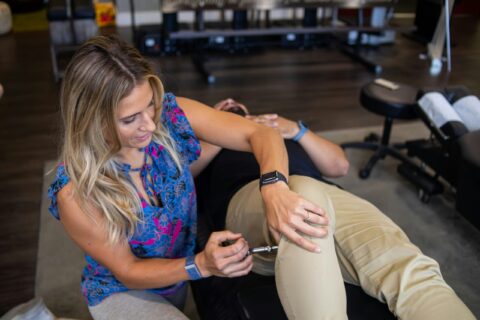
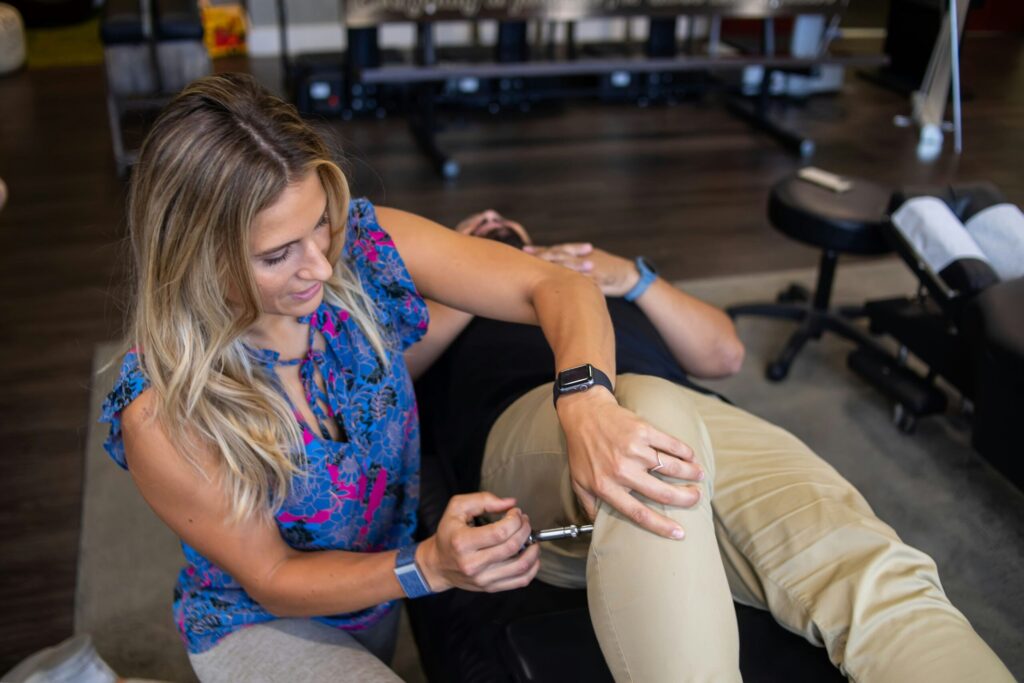
Getting guidance from experienced healthcare providers can make a huge difference in managing arthritis symptoms. Clinics that specialize in knee pain treatment in Brookhaven often create personalized treatment plans based on each patient’s condition, pain level, and lifestyle needs.
Professional evaluation can help identify the most suitable non-surgical methods to improve movement, reduce inflammation, and support better joint health over time.
Conclusion
The life of a person suffering from knee osteoarthritis can be tough at times, but surgery is not always the solution. Many people can get in touch with and enhance their lifestyle with NO treatment without taking any drugs.