Why Women Get Lower Back Pain: Common Factors and Symptoms
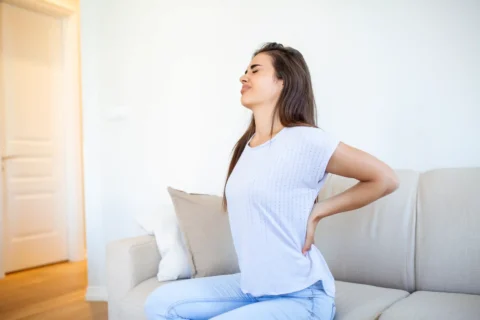
The lower back pain condition in women is what usually brings them to doctors most frequently, but it is often passed off as stress, poor posture, or part of a woman's regular life cycle. The occasional discomfort may be harmless, but recurring or worsening pain might signal deeper problems that need to be addressed. First, understanding the underlying causes of the pain can help prevent it from escalating into a long-term issue and maintain overall mobility.
Women suffer from lower back pain differently than men because of the interplay of anatomical, hormonal, and lifestyle factors. If these early warning signs are ignored, a minor issue could become a chronic condition that affects one's daily activities.
Hormonal Changes and Spinal Stress
Hormonal changes significantly affect musculoskeletal health. Among the hormones, estrogen and progesterone lead to changes in joint structure, ligament stability, and blood supply, even in inflamed tissues. These hormonal changes during menstruation, pregnancy, and menopause can sometimes even be a cause of lower spine overload.
Pregnancy significantly alters an individual's posture, shifting the body's center of gravity. As the belly grows, the lower back also adjusts, often leading to greater compression of the spine and increased muscle fatigue. If this extra stress is not managed correctly, it can slowly lead to chronic pain.
Lower Back Strain from Daily Activities
A lower back strain occurs when muscles or ligaments are overstretched or torn, often due to sudden movement or repetitive stress. Many women develop strain from everyday tasks such as lifting children, carrying heavy bags, prolonged sitting, or poor ergonomics at work.
Unlike injuries caused by trauma, strain often builds gradually. Tightness, stiffness, or soreness may start subtly and worsen over time. Without proper care, muscle imbalances can develop, placing uneven pressure on the spine and surrounding joints.
Posture, Sedentary Habits, and Core Weakness
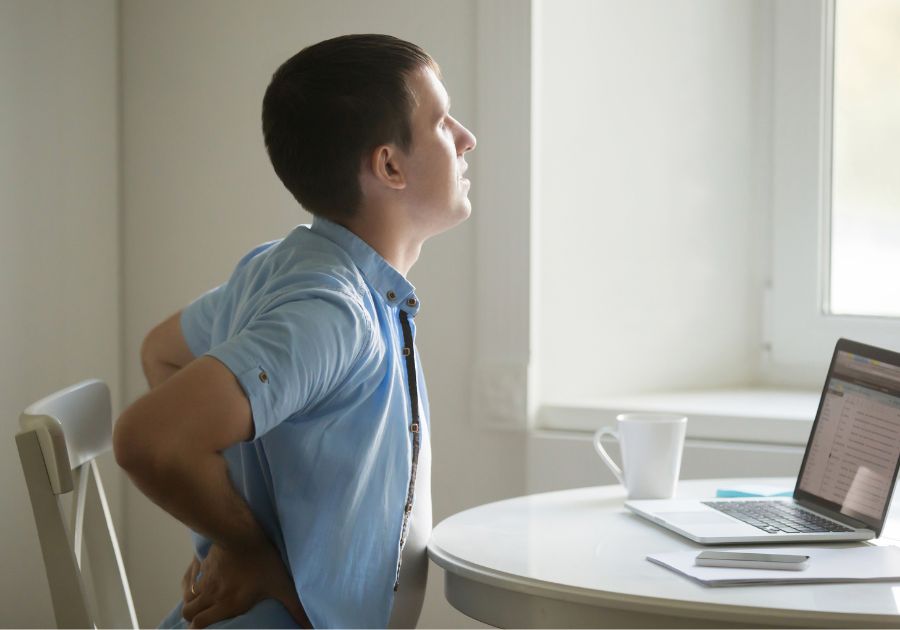
Today’s living often requires a lot of sitting, especially for people whose jobs involve working on computers or using digital devices. Incorrect posture weakens the core muscles that support the spine, and the lower back is forced to compensate.
If the core is not functioning correctly, even simple actions like standing, bending, or walking can put excessive pressure on the lumbar spine. Gradually, this imbalance makes one more prone to discomfort and the recurrence of pain episodes.
Gynaecological and Pelvic Factors
Certain gynaecological conditions can also contribute to lower back discomfort. Conditions such as endometriosis, fibroids, or pelvic floor dysfunction may cause referred pain that radiates into the lower back.
Because these causes are not always musculoskeletal, symptoms may persist despite rest or stretching. This underscores the importance of professional evaluation when pain does not respond to basic self-care.
When Back Pain Treatment Becomes Necessary
The significance of early intervention is paramount. Pain that persists for more than a few weeks, pain that becomes more severe during physical activity, or discomfort accompanied by loss of sensation or weakness should all be considered signs of a serious condition. At this stage, effective treatment for back pain focuses on identifying the underlying cause, not just masking it with medication.
Among the treatment options are physical therapy, improving one's range of motion, strengthening targeted areas, and changing some daily habits. Taking care of the factors that play a role early in the process usually helps avoid turning the situation into chronic pain or restricted movement.
Understanding Long-Term Risk Factors
Several long-term factors increase the likelihood of developing ongoing lower back issues. These include excess body weight, lack of regular exercise, high stress levels, and inadequate recovery after physical activity.
Emotional stress can also influence pain perception. Muscle tension from stress often settles in the lower back, exacerbating physical strain and prolonging discomfort.
Options for Lower Back Treatment
The right therapy for the lower back is seldom generic. It must be personalized according to the person's habits, bodily condition, and pain causes. Non-invasive treatment usually focuses on the patient's mobility, strong muscles around the spine, and proper body posture that does not trigger pain.
The instruction is very significant. Knowledge of proper movement, sitting, lifting, and recovery gives people the power to proactively take control of their health condition rather than reactively.
Why You Shouldn’t Ignore Recurrent Pain
Pain is the body’s warning system. Repeated flare-ups, stiffness that limits movement, or pain that interferes with sleep are signals that something is not functioning optimally. Ignoring these signs can lead to compensation patterns that strain other joints, including the hips and knees.
Addressing discomfort early reduces the likelihood of long-term dependency on medication or invasive procedures.
Final Thoughts
Knowing the factors that lead to lower back pain in women enables better care and prevention decisions. In any case, whether the pain's root is posture, hormonal shifts, or muscle imbalance, a quick assessment and specific help will have a significant impact.
Discover Optimal Healthcare is where the spotlight is on the patient’s actual pain point, and the doctor's role is to help the patient with a long-lasting recovery through custom-made treatment and scientifically proven methods.